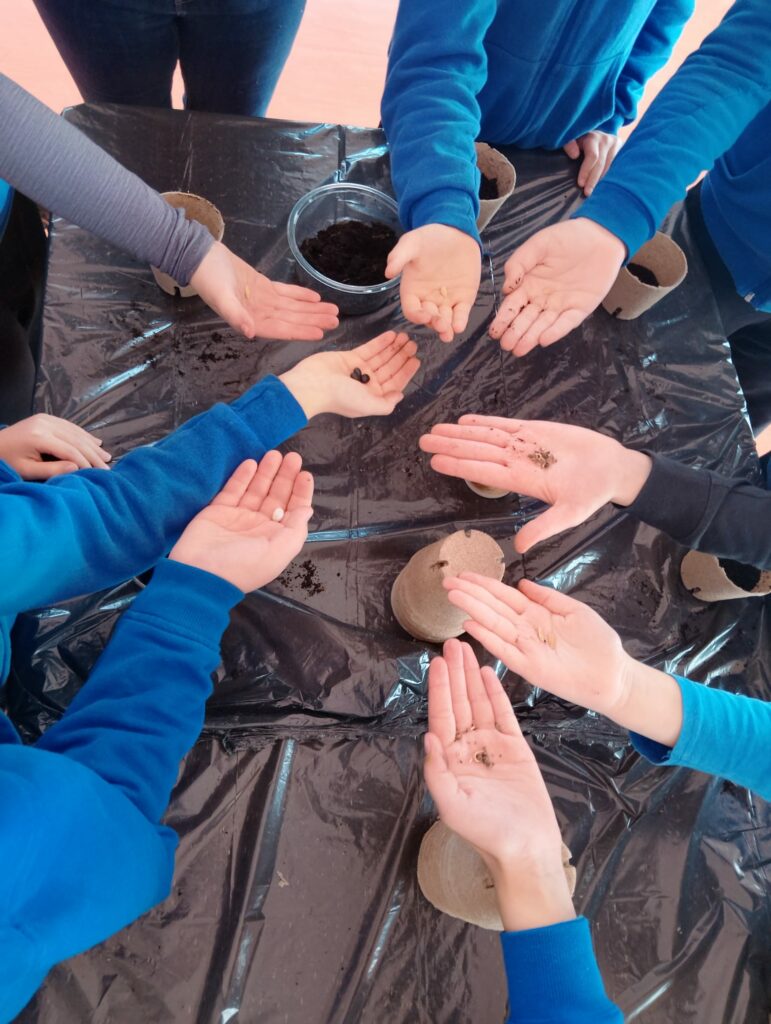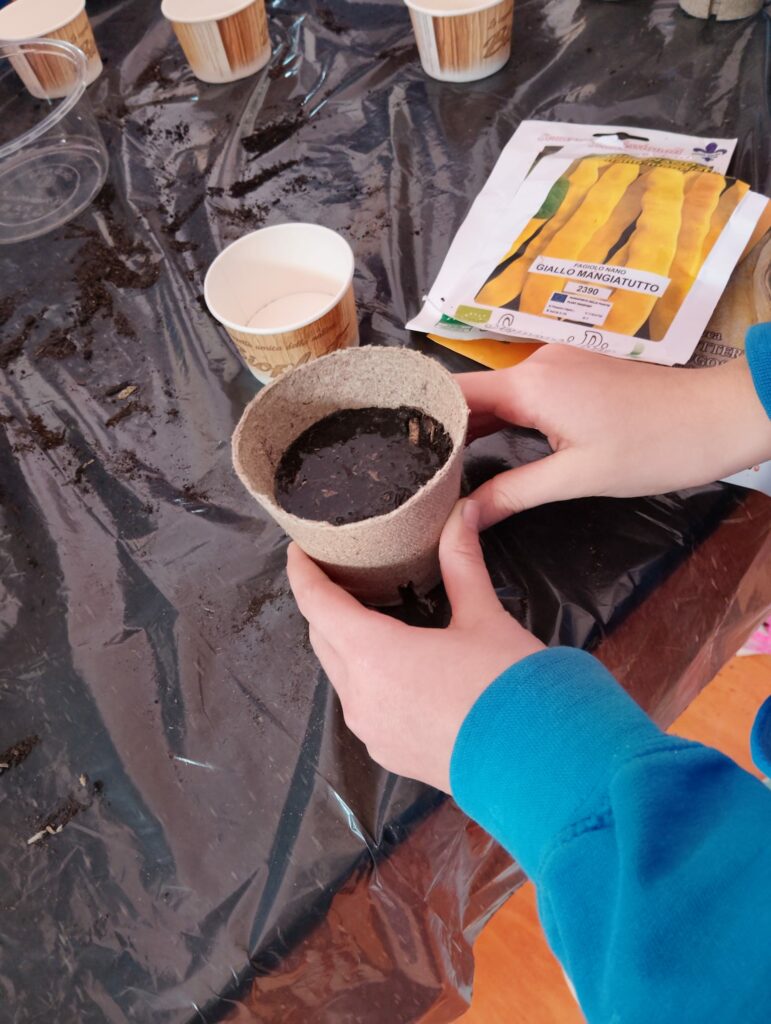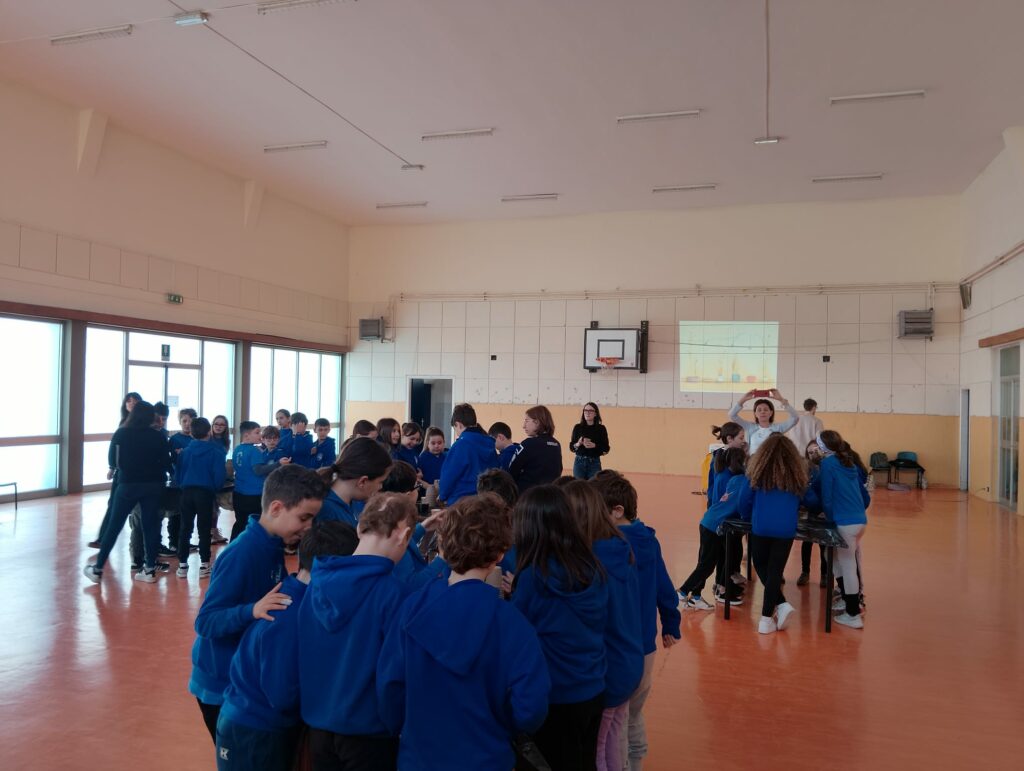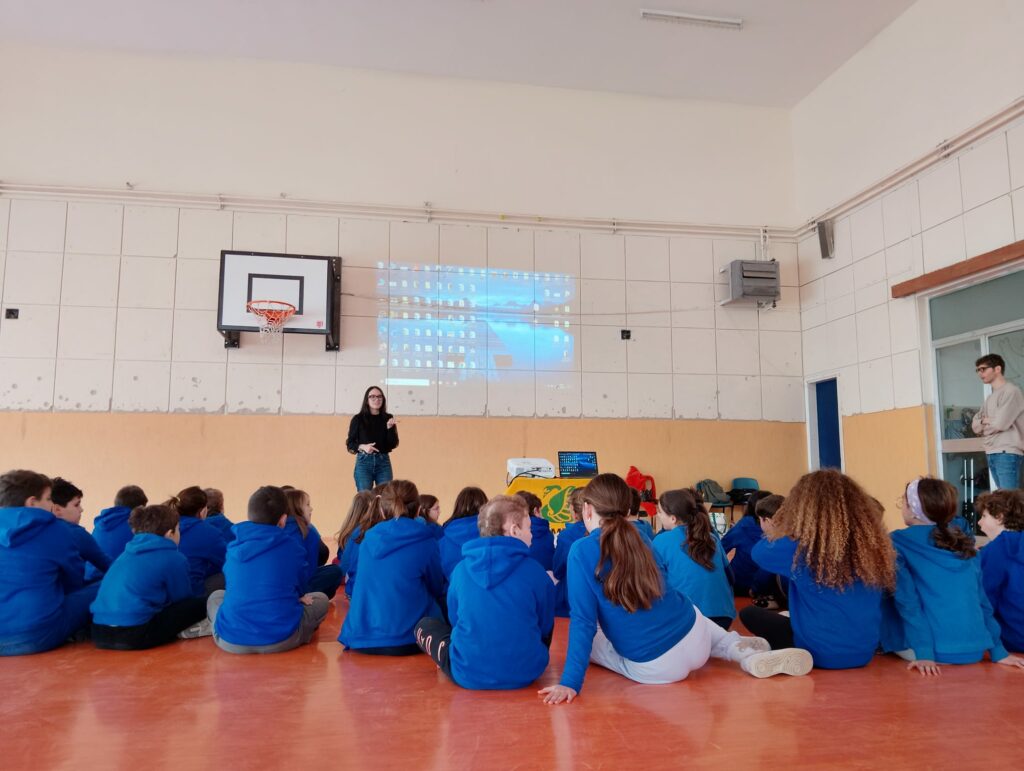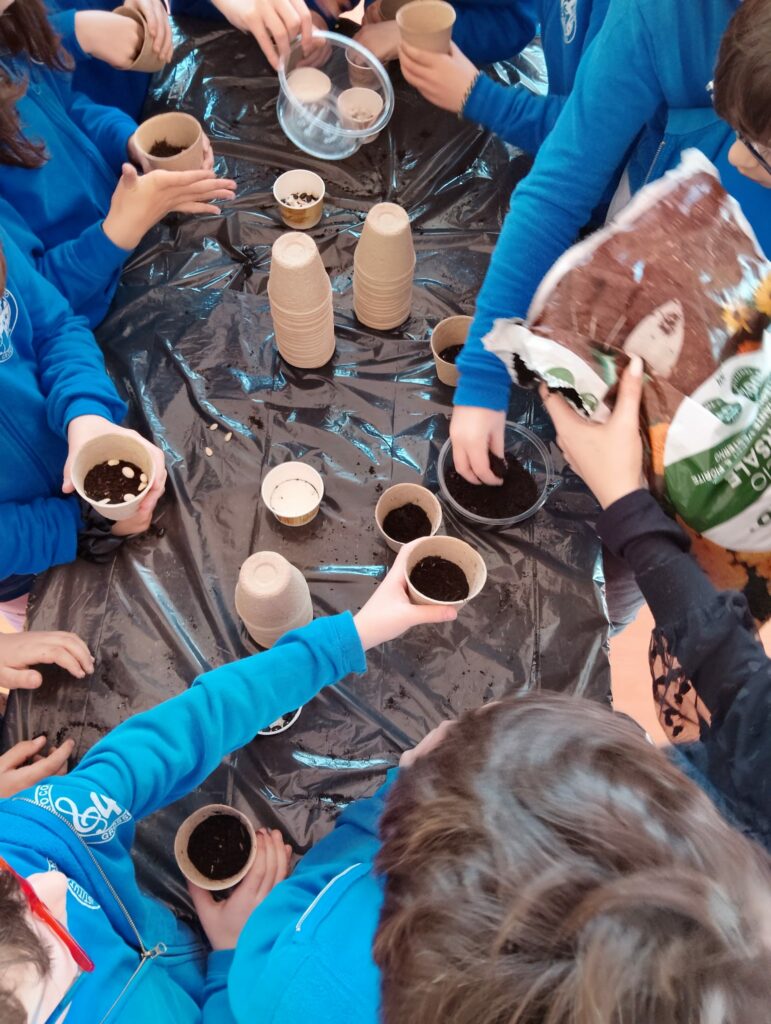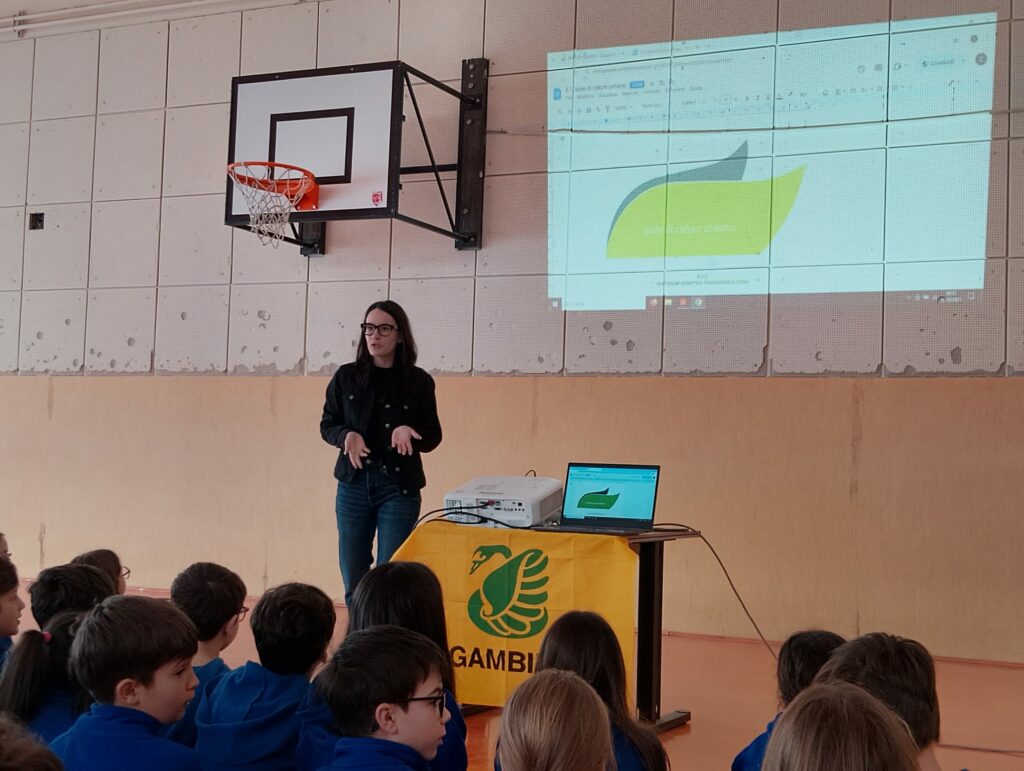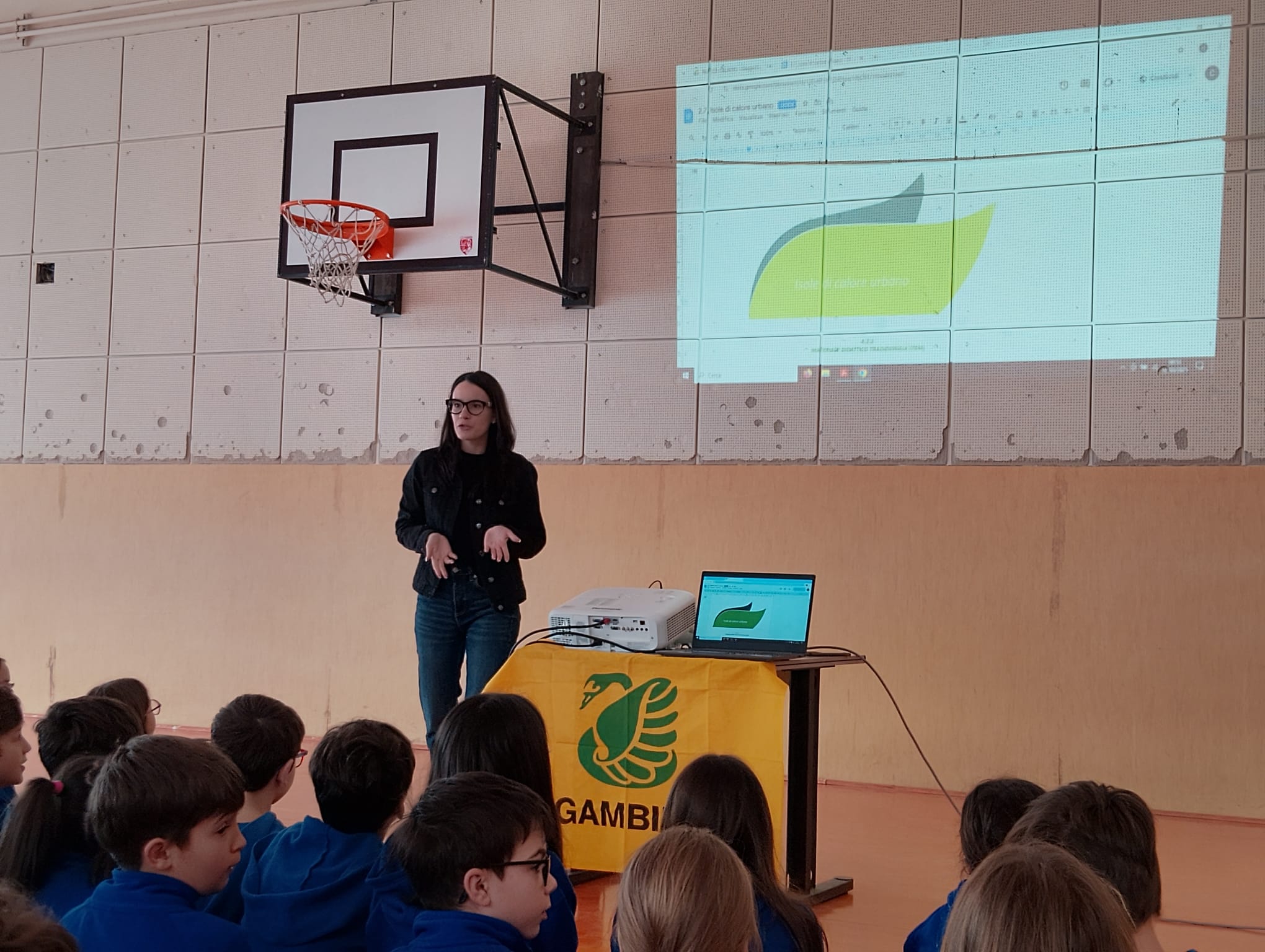
Two events were held at the Primary School of Istituto Comprensivo Grosseto 4 in Grosseto, Italy.
This morning’s event was the completion of two activities outlined in the teacher’s toolkit created within the European Erasmus+ PARCCE project, aimed at promoting innovative education on sustainability.
Over 200 students from the Istituto Comprensivo Einaudi in Grosseto participated in an important tree planting initiative. Erica, strawberry tree, and rosemary: small native plants that will become living witnesses to the commitment of the boys and girls towards a more sustainable future.
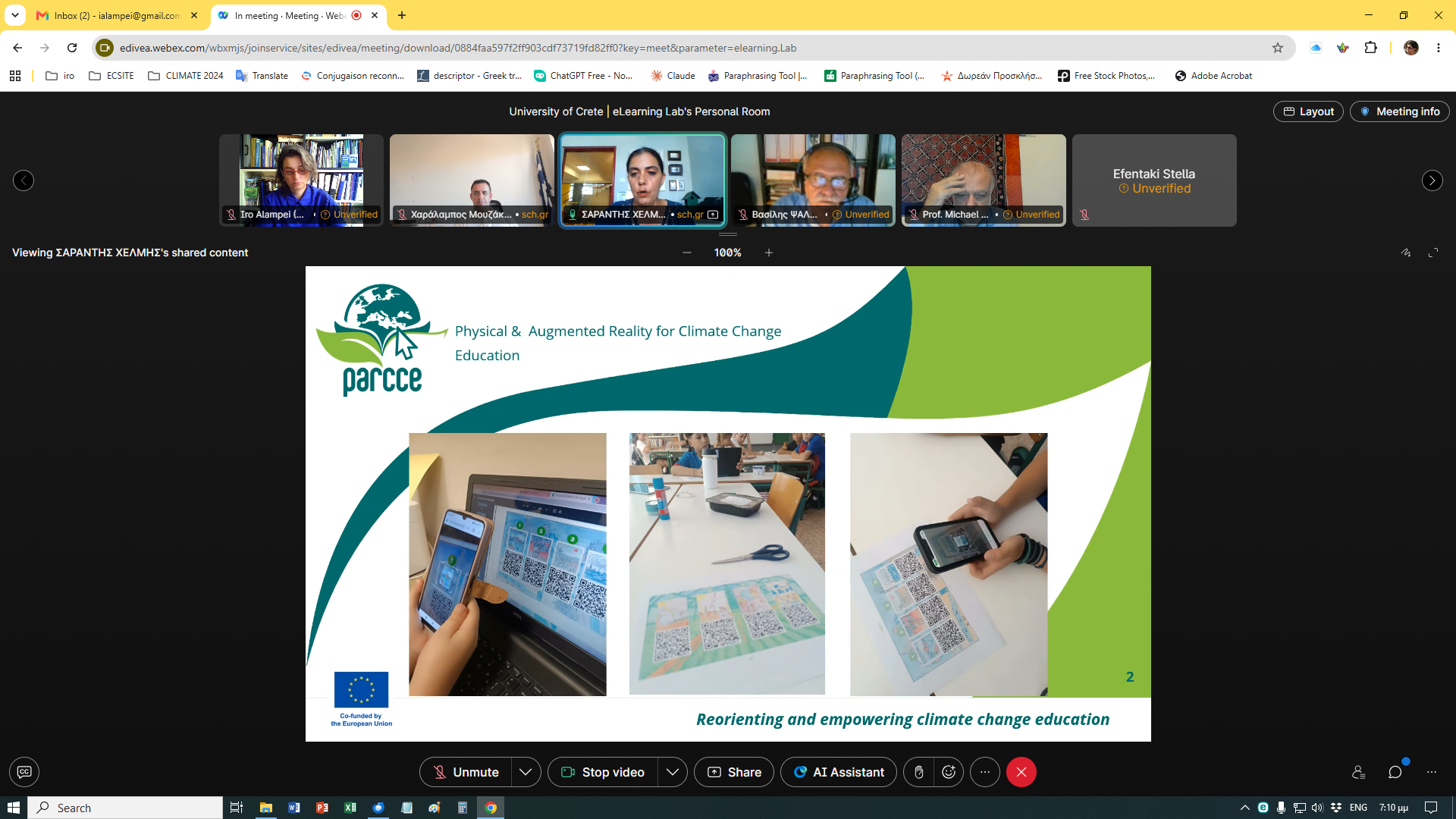
The event is part of the Erasmus+ PARCCE project – Physical and Augmented Reality for Climate Change Education, a three-year initiative carried out in collaboration with MIO (Mediterranean Information Office) in Athens, 1st Primary School of Rafina (Greece), University of Crete (Greece), the Pedagogical Institute of the Ministry of Education, Culture, Sports & Youth, Pernera Primary School (Cyprus), Istituto Comprensivo Grosseto 4 (Italy), CPIE U Marinu, and Montesoro College (France).
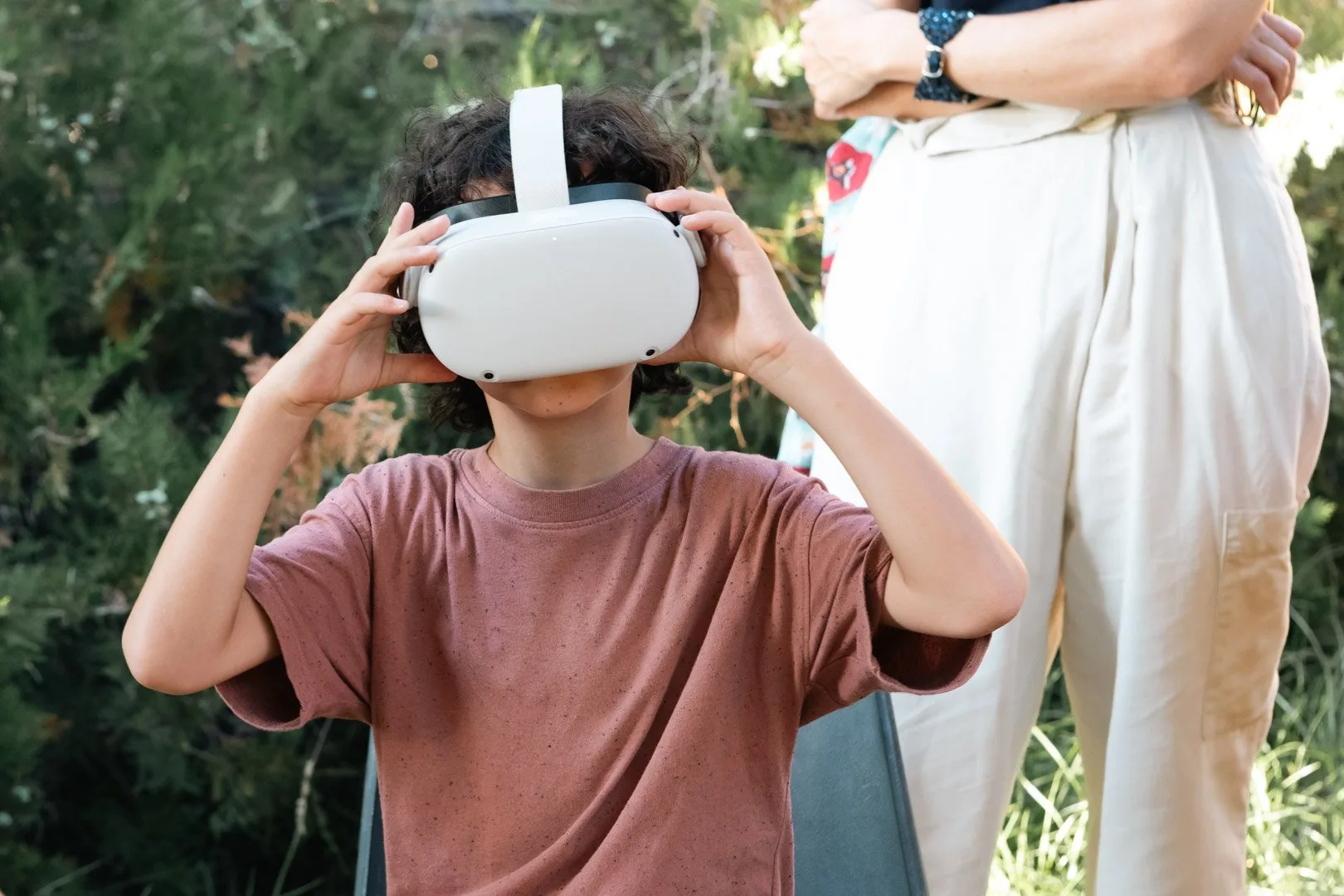
The goal of PARCCE is to tackle the climate crisis through quality education, actively engaging students in developing key skills through innovative educational materials, with an approach that combines environmental education and immersive technologies.
This morning’s session aimed to help the school community understand that combating climate change through urban greenery is strategic in counteracting “Urban heat islands”. The system of urban heat islands represents one of the main challenges of modern cities, as the lack of vegetation and the use of impermeable materials contribute to heat accumulation, worsening air quality and increasing health risks. Integrating green spaces, such as gardens, green roofs, and trees, not only mitigates the effect of heat islands but also fosters greater biodiversity, improves the microclimate, and promotes a more sustainable and conscious lifestyle.
“Investing in greenery means investing in the quality of life for students and the revitalization of educational spaces,” said Angelo Gentili, from the national secretariat of Legambiente. “Green areas in schools not only make environments more welcoming but also contribute significantly to lowering urban temperatures, reducing air and noise pollution, and protecting biodiversity.”
The presence of trees and shrubs in cities has a tangible impact: a single tree can absorb up to 700 kg of CO2 over its lifetime and reduce noise by up to 70%. Moreover, forests and pinewoods are an essential habitat for many animal species, contributing to biodiversity conservation.
This is just the first in a series of events designed to engage students in the climate change challenge in an interactive and stimulating way.
The project also includes a free online course for teachers and informal educators, accessible upon registration at the following link: https://parcce.envirolearning.net/.
For more information:
www.parcce.eu
www.facebook.com/parcceproject
www.instagram.com/parcceproject